
Introduction to Kalonji
Kalonji, also known as black seed or Nigella sativa, has a long-standing reputation in both ancient and modern medicine for its numerous health benefits. This powerful herb is recognized for its anti-inflammatory, antioxidant, and antimicrobial properties, making it a valuable addition to many health regimens.
Saif Ayurveda
10/27/20244 min read
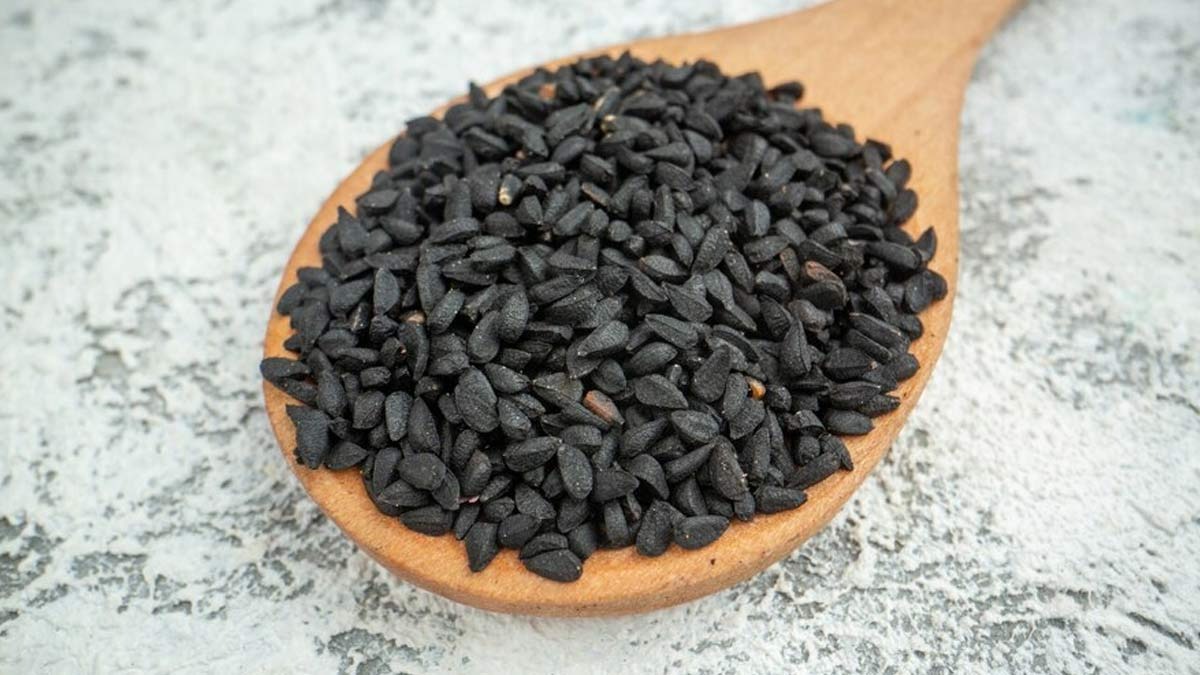
Kalonji, scientifically known as Nigella sativa, is a flowering plant that has been utilized for centuries in various cultures worldwide. It is often referred to by several names, including black seed, black cumin, and fennel flower, reflecting its diverse usage and importance in different traditions. The plant is native to the Mediterranean region, but its cultivation has spread to various parts of Asia, the Middle East, and Africa, where it holds significant cultural and medicinal value.
The seeds of kalonji have been revered throughout history for their remarkable medicinal properties. Ancient texts suggest that kalonji was used as far back as the time of the Pharaohs in Egypt, where it was discovered in King Tutankhamun's tomb, believed to have been intended for use in the afterlife. In Islamic tradition, it is mentioned in the Hadith that kalonji is a remedy for every disease, emphasizing its esteemed status in the Arab world. This historical significance has contributed to its sustained popularity across various traditional medicine systems, including Ayurvedic and Unani practices, highlighting its role as a natural treatment for ailments ranging from digestive disorders to respiratory issues.
Culturally, kalonji features prominently in culinary practices, especially in South Asian and Middle Eastern cuisines. Its distinctive flavor is often described as being slightly bitter yet aromatic, making it a popular spice in dishes such as curries and bread. The incorporation of kalonji into food not only enhances the flavor profile but also adds nutritional and health benefits, given its high antioxidant content and potential anti-inflammatory properties. Overall, kalonji embodies a blend of history, cultural significance, and therapeutic potential, setting the stage for a deeper exploration of its wonders in subsequent sections.
Health Benefits of Kalonji
Kalonji, also known as black seed or Nigella sativa, has a long-standing reputation in both ancient and modern medicine for its numerous health benefits. This powerful herb is recognized for its anti-inflammatory, antioxidant, and antimicrobial properties, making it a valuable addition to many health regimens.
The anti-inflammatory effects of kalonji are particularly significant, as chronic inflammation is linked to various health issues, including arthritis and heart disease. Studies have suggested that the thymoquinone present in kalonji effectively reduces inflammation markers in the body, helping to alleviate symptoms associated with inflammatory diseases. This property not only contributes to pain relief but also promotes overall wellness.
In addition to its anti-inflammatory benefits, kalonji is rich in antioxidants, which protect the body from oxidative stress caused by free radicals. Oxidative stress is associated with a range of health problems, including cancer and neurodegenerative diseases. Research indicates that kalonji may play a role in neutralizing these harmful compounds, thereby reducing the risk of chronic illness and promoting longevity.
Kalonji also possesses antimicrobial properties that make it effective in combating infections. Various studies have shown that kalonji extracts inhibit the growth of bacteria, fungi, and viruses, suggesting its potential as a natural remedy for respiratory infections and skin ailments. Furthermore, kalonji has been traditionally used to address digestive issues, such as bloating and gas, by supporting gut health.
It is worth noting that while anecdotal evidence supports these benefits, further scientific research is essential to fully understand kalonji's impact on health. However, the existing studies highlight its potential as a powerful herb, bridging the gap between ancient remedies and contemporary health practices. Therefore, incorporating kalonji into one's diet may offer a multitude of health advantages, making it a worthwhile consideration for those interested in natural wellness.
Kalonji in Different Climates and Weather Conditions
Kalonji, scientifically known as Nigella sativa, is a versatile herb that is cultivated in various climates and weather conditions across the world. This adaptability allows kalonji to thrive in regions ranging from the Mediterranean to South Asia, showcasing its resilience and valuable contribution to local economies and cuisines. Different climatic conditions significantly influence the growth, yield, and potency of kalonji, making an understanding of these factors essential for optimal cultivation.
In general, kalonji prefers a temperate climate that features well-drained, fertile soil. It thrives best in areas with moderate rainfall and can tolerate dry conditions to an extent. Regions with temperatures ranging from 20°C to 30°C (68°F to 86°F) are deemed ideal for kalonji cultivation. However, it is noteworthy that kalonji can also flourish in cooler conditions, as seen in parts of Central Asia. Here, farmers implement traditional agricultural practices that align with the local climate, tailoring their cultivation methods to ensure robust growth.
Environmental factors such as humidity, soil quality, and sunlight exposure play critical roles in kalonji cultivation. Excessively high humidity levels can lead to fungal diseases, impacting plant health and reducing yield. Conversely, a sunny environment promotes seed germination and growth, contributing to the overall quality of kalonji seeds. In various regions, farmers have developed age-old practices to harvest and preserve kalonji, ensuring that the valuable seeds maintain their potency and medicinal qualities.
The diverse climatic adaptability of kalonji exemplifies not only its resilience as a herb but also the significance of traditional knowledge in its cultivation. By integrating modern agricultural practices with historic methodologies, kalonji can continue to be a vital component of both cultural heritage and contemporary health practices.
Cultural Significance and Historical Context of Kalonji in Islam
Kalonji, also known as Nigella sativa, holds a prominent place within Islamic history and tradition. Often referred to as the "seed of blessing," kalonji is mentioned in various religious texts, highlighting its significance in the lives of Muslims. One of the most notable references comes from a Hadith, where the Prophet Muhammad (peace be upon him) reportedly stated that kalonji is a remedy for every ailment except death. This endorsement has contributed to its esteemed position in both spiritual and medicinal practices among Muslims throughout the centuries.
The cultural importance of kalonji extends beyond its medicinal properties. In numerous Islamic cultures, these seeds have been incorporated into culinary practices, symbolizing health and prosperity. Historically, kalonji has been used in traditional Islamic medicine, where it was valued for its potential health benefits, including anti-inflammatory and antioxidant properties. This utilization reflects a broader understanding of holistic health within the Islamic tradition, wherein physical and spiritual well-being are intertwined.
Kalonji’s role in Islamic culture can be observed through the centuries, as it has been embraced by various communities across the globe. From the Middle East to South Asia, kalonji has transcended geographical boundaries, reinforcing its culinary and medicinal significance in diverse traditions. Contemporary Muslim practices continue to integrate kalonji, signifying its enduring relevance. For instance, kalonji is often included in herbal remedies, dietary supplements, and even skincare products, as its properties are recognized not only for promoting physical health but also for enhancing spiritual wellness.
In conclusion, the historical and cultural significance of kalonji in Islam is profound. Its multifaceted role as a remedy, culinary ingredient, and symbol of blessings reflects its deep-rooted presence in the Islamic world. As modern wellness trends embrace natural remedies, kalonji remains a testament to the enduring wisdom of traditional practices ingrained in Islamic history.
